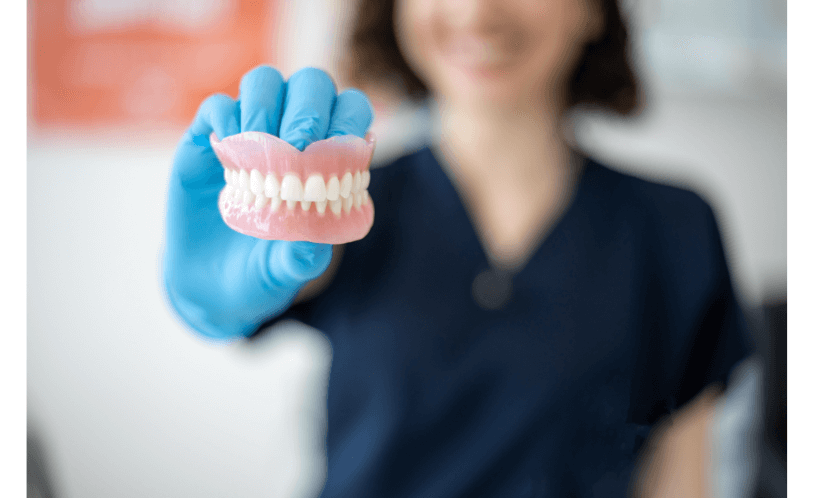
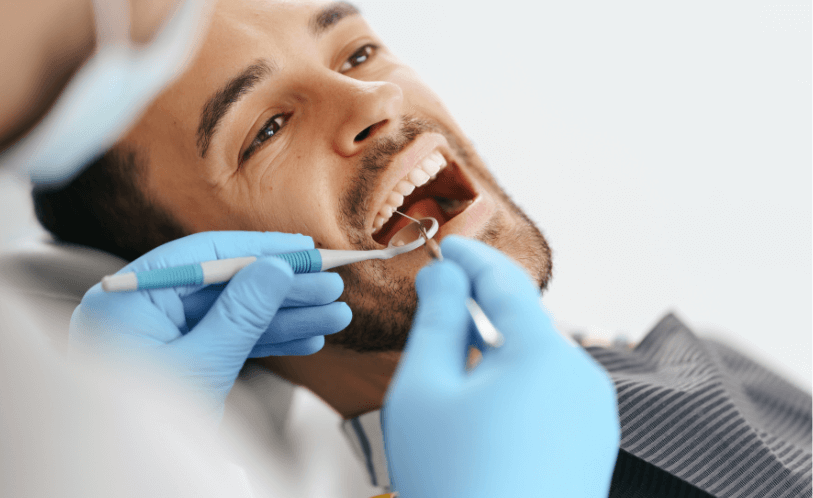
Dental implants represent a revolutionary advancement in restorative dentistry, serving as artificial tooth roots made primarily from biocompatible titanium that fuse with the jawbone through a process called osseointegration, providing a sturdy foundation for replacement teeth such as crowns, bridges, or dentures. This informational overview delves into their benefits, which include improved chewing efficiency, speech clarity, and facial structure preservation by preventing bone loss that often occurs after tooth extraction. Unlike traditional dentures, implants don't slip or require adhesives, offering a more natural feel and appearance that boosts self-esteem and quality of life. The procedure typically involves several stages: an initial evaluation with imaging to assess bone density, surgical placement of the implant post under local anesthesia or sedation for comfort, a healing period of 3-6 months during which the implant integrates, and finally, attachment of the abutment and custom prosthetic. Factors like overall health, smoking habits, and bone quality can influence success rates, which generally exceed 95% with proper care, making them a long-term investment in oral wellness.
Beyond the basics, maintaining dental implants involves routine oral hygiene practices similar to natural teeth, including brushing twice daily, flossing around the implant, and regular professional cleanings to prevent peri-implantitis, an inflammation akin to gum disease. Informational insights also cover potential complications, such as infection or implant failure, which are rare but manageable with early intervention, and alternatives like mini-implants for those with insufficient bone without needing grafts. Advances in technology, such as 3D printing for precise planning and guided surgery, have minimized invasiveness and recovery time, allowing many patients to return to normal activities quickly. Cost considerations vary, often ranging from $3,000 to $5,000 per implant depending on location and complexity, but insurance or financing can offset expenses. Overall, this educational content aims to empower patients with knowledge, highlighting how dental implants not only restore function but also contribute to holistic health by enabling better nutrition and reducing risks associated with missing teeth.