Knowing what to do after tooth extraction makes a real difference in how quickly and comfortably you heal. At Trinity Dental in Hoschton, GA, we walk every patient through clear, practical aftercare so recovery feels manageable from the very first day.
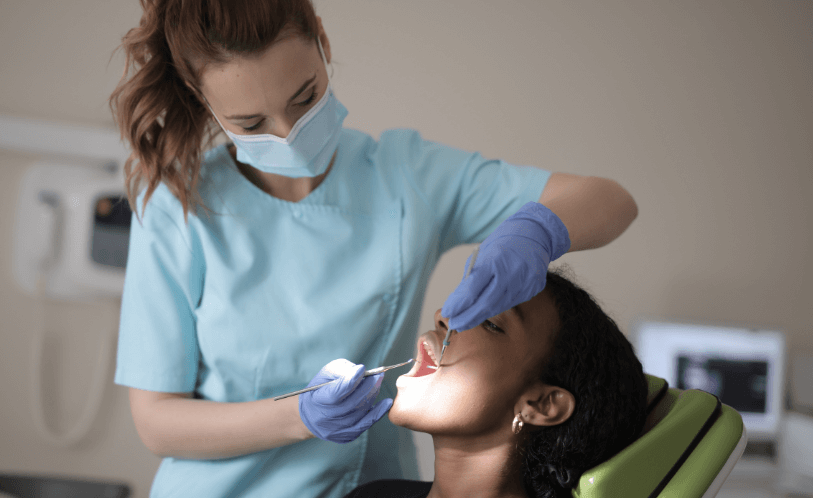
Right after your extraction, your dentist will place a gauze pad over the socket and ask you to bite down firmly. Keep that pressure on for 30 to 45 minutes without checking underneath. The goal is to help a blood clot form, and that clot is the foundation of your entire recovery. Disturbing it too early is the most common reason patients end up with dry socket, a painful condition where the bone and nerves in the socket are exposed.
Once you leave the office, plan to rest for the remainder of the day. Sit upright or prop your head up with an extra pillow if you lie down. Keeping your head elevated reduces blood pressure at the site and slows bleeding. If you notice light oozing, replace the gauze with a fresh piece and maintain pressure. A small amount of pink-tinged saliva is normal. Bright red bleeding that soaks through several pieces of gauze in a short period is a reason to call us.
The team at Trinity Dental reviews all of this with you before you leave the chair, but having a written reference at home is just as important. If any question comes up in those first hours, do not hesitate to reach out to our office directly.
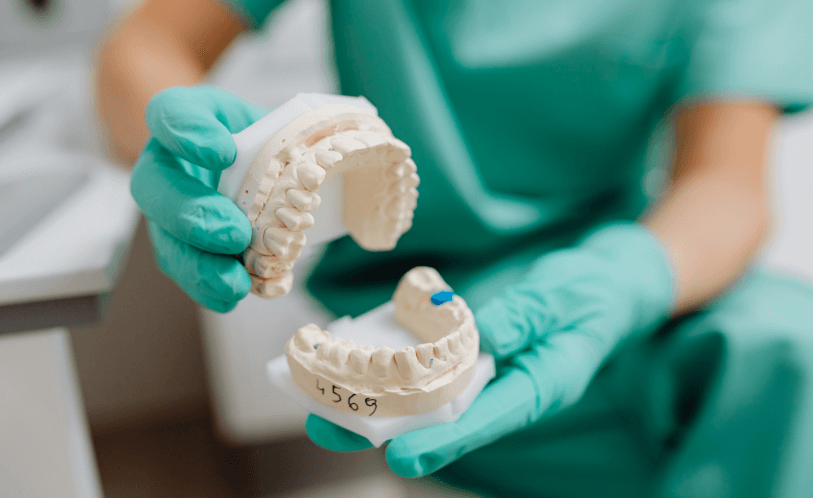
Some swelling and soreness after an extraction is completely normal, and it typically peaks around the second day before gradually improving. To control swelling, apply a cold pack to the outside of your cheek in 20-minute intervals during the first 24 hours. After the first day, switching to gentle warmth can help relax the area and ease stiffness in the jaw.
For pain relief, follow the instructions your dentist provided. Over-the-counter anti-inflammatory medications can be very effective when taken consistently rather than waiting until pain becomes intense. If a prescription was provided, use it as directed and finish the course. Never place aspirin directly on the gum tissue, this can cause a chemical burn and will not help with pain at the socket.
If swelling worsens significantly after the third day instead of improving, or if you develop a fever, those are signs worth a phone call. Dr. Kamarin Moon and the Trinity Dental team are here to help you through recovery and to answer any concern that comes up along the way. You can also learn more about our full range of dental services in Hoschton, GA if follow-up or restorative care is part of your plan.
What you eat and drink in the days following an extraction has a direct impact on healing. For the first 24 hours, stick to soft foods that require little or no chewing. Good options include yogurt, scrambled eggs, mashed potatoes, smoothies, and lukewarm soup. Avoid anything hard, crunchy, or chewy. Small food particles that work their way into the socket can disrupt the clot and introduce bacteria.
Temperature matters too. Hot foods and beverages can dissolve the blood clot, so let soups and drinks cool to a comfortable warmth before eating. Avoid alcohol for at least 24 hours, and longer if you are taking prescription medication. Alcohol can interfere with healing and interact with certain medications.
One of the most important rules in the first few days is to avoid straws entirely. The suction created by drinking through a straw can dislodge the clot and trigger dry socket. The same applies to smoking. If you smoke, stopping for at least 72 hours gives the socket a much better chance to heal properly. As your mouth feels better, you can gradually reintroduce normal foods, but continue to chew on the opposite side from the extraction site until it has fully closed. Patients in Hoschton and the surrounding communities who have questions about diet during recovery are always welcome to call the Trinity Dental office for guidance specific to their situation.
Oral hygiene does not stop after an extraction, it just changes for a few days. For the first 24 hours, avoid rinsing, spitting forcefully, or even brushing near the extraction site. After that first day, you can begin gentle warm salt water rinses. Use about half a teaspoon of salt dissolved in eight ounces of warm water. Tilt your head to let the rinse flow over the socket and then let it fall out of your mouth rather than spitting it out with force. Repeat this after meals and before bed for the next several days.
Continue brushing and flossing the rest of your teeth normally. A clean mouth heals faster because there is less bacterial load around the site. Just be careful not to let the brush or floss disturb the clot. If your dentist prescribed a prescription rinse, use it exactly as directed, do not substitute with commercial mouthwash during the first few days, as many contain alcohol that can irritate the tissue.
Good preventive habits are part of the reason regular dental visits matter so much. If it has been a while since your last checkup, or if this extraction is part of a broader treatment plan, our preventive dentistry services in Hoschton can help you stay ahead of future problems. Patients in Winder are also welcome to explore preventive dentistry near Winder, GA through Trinity Dental.
Dry socket is the most common complication after a tooth extraction, and catching it early makes it much easier to treat. It happens when the blood clot that forms in the socket is dislodged or dissolves before the tissue has a chance to heal over it. The result is exposed bone and nerve endings. Symptoms include a dull, throbbing ache that starts a day or two after the extraction and radiates toward your ear or eye, a visible empty-looking socket, and a bad taste or odor in the mouth.
Normal post-extraction discomfort improves gradually each day. Dry socket pain does the opposite, it gets worse after the first couple of days. If that describes what you are experiencing, contact your dentist promptly. Treatment typically involves a medicated dressing placed in the socket that brings relief quickly. It is not a condition to push through on your own.
Beyond dry socket, you should also reach out to your dental office if you notice signs of infection: increasing swelling after day three, fever, pus near the site, or swollen lymph nodes in the neck. These symptoms are uncommon, but they respond best to early treatment. The Trinity Dental team near Braselton and throughout Northeast Georgia is available to see patients who need prompt attention, and we offer same-day emergency appointments when urgent care is needed. You can also visit our location near Sells, GA for accessible care close to home.
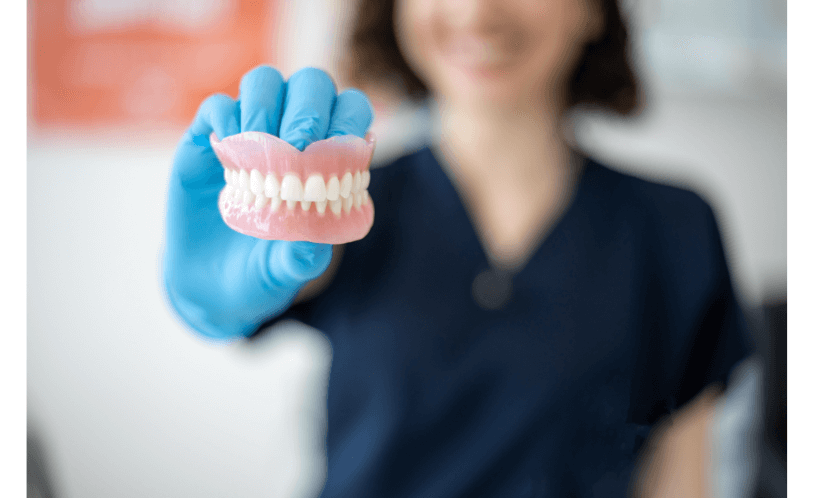
Once healing is complete, many patients begin thinking about what to do in place of the missing tooth. Leaving a gap in the smile can have real consequences over time. Neighboring teeth tend to shift toward the open space, which can affect your bite, make cleaning harder, and sometimes lead to jaw bone loss in the area where the root once sat. Addressing the space sooner rather than later protects the long-term health of your surrounding teeth.
At Trinity Dental, we offer several options for replacing missing teeth. Restorative dentistry in Hoschton includes dental implants, which are the most durable and natural-feeling replacement available. A dental implant is a small titanium post placed in the jaw that acts as an artificial root, topped with a crown that looks and functions like a natural tooth. We also place dental bridges, which anchor to adjacent teeth and span the gap. Dr. Moon will discuss which option fits your anatomy, your goals, and your schedule during a dedicated consultation.
If cost is a consideration, our dental membership plans are designed to make ongoing care more accessible, and personalized treatment plans mean you are never pressured into treatment you are not ready for. You are also welcome to explore our cosmetic dentistry options in Hoschton if you are interested in improving the appearance of your smile as part of your overall plan. Whatever direction makes sense for you, the goal at Trinity Dental is always to help you make informed decisions with full confidence.
Most patients feel significantly better within three to five days, though complete tissue healing typically takes one to two weeks. The timeline depends on the complexity of the extraction, your overall health, and how closely you follow your aftercare instructions. A simple extraction heals faster than a surgical one.
Yes, some soreness the day after an extraction is completely expected. Discomfort should improve gradually each day rather than getting worse. If pain intensifies after the second day or radiates toward your ear, contact your dentist, as this can be a sign of dry socket.
You can brush your other teeth carefully starting the day of the procedure, but avoid the extraction site for the first 24 hours. After that, brush gently around the area and rinse with warm salt water after meals to keep the socket clean without disturbing the healing clot.
Avoid hard, crunchy, chewy, or hot foods for at least the first two days. Skip straws, alcohol, and smoking for at least 72 hours. Soft foods like yogurt, mashed potatoes, scrambled eggs, and cool soups are good choices while the site heals.
Call your dentist if pain worsens after the second day, if you see or smell signs of infection, if bleeding does not slow with sustained gauze pressure, or if you develop a fever or significant swelling after the third day. Trinity Dental offers same-day emergency appointments for patients who need prompt attention.
Dental implants and dental bridges are the most common options for replacing a missing tooth, and both are available at Trinity Dental in Hoschton, GA. Dr. Moon will review your jaw health and personal goals to help you choose the option that fits best. Addressing the gap promptly helps protect neighboring teeth from shifting.
Ready to get started? Talk to the Trinity Dental team.
Reach out to us today at (706) 708-9299